
Decarbonization of Process Heating Requires Clear Political Objectives And Solid Framework Conditions
Together with major industry associations, we are working for a decisive transformation of industrial process heat energy. In a joint letter published today in Handelsblatt, we call on politicians to prioritise the decarbonisation of this key area of industrial production and to create clear, reliable framework conditions.
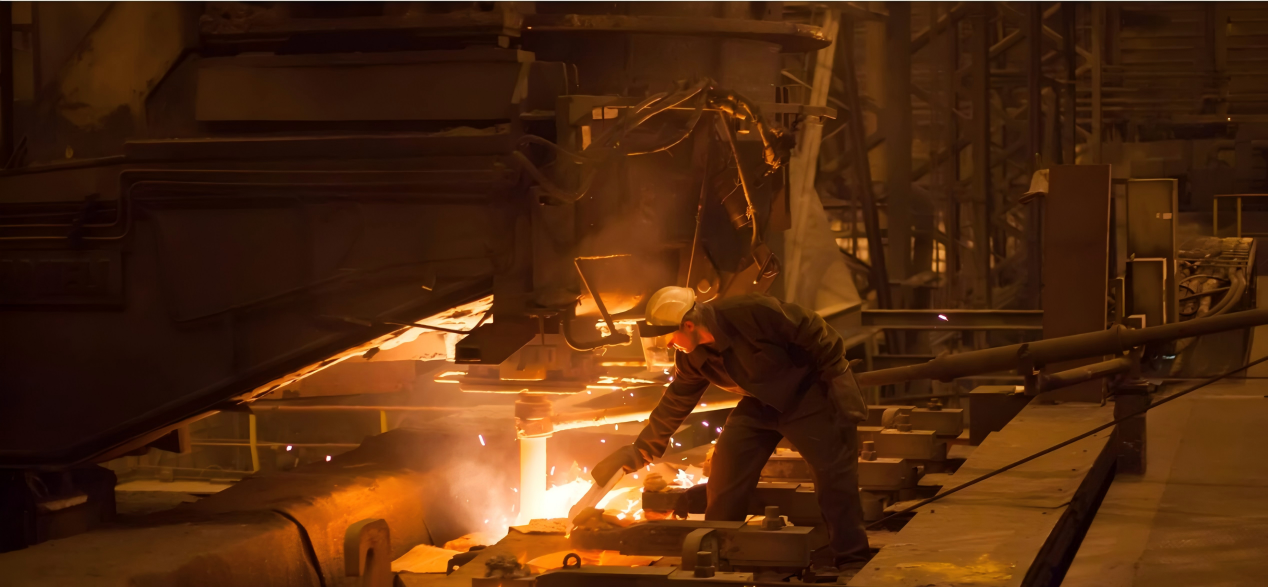
Industrial heat is a key factor: it accounts for around three-quarters of German industrial CO₂ emissions and is still dominated by fossil fuels. While climate-neutral alternatives exist in some cases, many investments are not being made because of uncertain energy prices, inadequate network infrastructure and a lack of political guidance.
The effort is supported by a coalition of business and industry representing a wide range of fields and interests. Together, these associations stressed the importance of process heating as a decisive factor in the climate transition and Germany’s competitiveness as an industrial base. They combine expertise in areas such as energy efficiency, renewable energy, sustainable business and innovative technologies. The coalition is united in its commitment to promote decarbonisation through concrete measures and political strategies that pave the way to a climate-neutral future.
Our demands include two core measures:
1. Appoint one perwson as central point of contact in the Federal Ministry of Economic Affairs and Climate Protection to strategically move the subject forward;
2. Initiate a dialogue process to clarify outstanding issues and develop a comprehensive policy strategy for climate-neutral process heating.
We stress that the decarbonization of processed heat energy is key to the competitiveness of German and European industry. Without a targeted strategy and firm political support, the transition is at risk of stalling, with serious consequences for climate protection and industrial zones.
The coalition of organisations from a wide range of industries shows that decarbonisation of process heating is not only a technical task, but also a strategic challenge that requires overarching action. It is only through the interaction of politics, business and science that the vision of process heating being climate free can be realized, thereby laying the foundation for sustainable development and future-proof industrial production.